


Therapy for Therapists: Set down the responsibility. Return to your rhythm.
In-person in Waterbury, Vermont and Online across Maryland & Vermont

“I’m tired of being the listener. I just want to be a person.”
I hear you.
As therapists, we hold space for others all day. Empathizing with their grief. Witnessing their anger. Bringing awareness to their pain. This work is an incredible privilege… and it can also take a huge toll.
Part of what makes us so good at what we do is that we’re deeply human. But that’s also what makes this work so exhausting.
As care facilitators, we need to be cared for, too.
Yet finding your own therapist gets exponentially harder as your capacity to hold space for others grows. You know the moves before they’re made. You can feel it when someone’s a little out of their depth with you. Maybe you’ve sat across from a therapist who explained things you’ve taught a hundred times… and found yourself quietly managing their comfort, slipping right back into the therapist’s chair.
What you’re looking for isn’t another polished clinician across the room. It’s a kindred spirit. Someone you can laugh with, think out loud with, fall apart with. Someone who gets it… who’s in it with you.
Here, you get to set the responsibility down. Trust that the space is steady enough for all of you. And finally… just be a person.
Less like a session.. More like a jam session.
Okay, bear with me. I want to share an analogy with you.
As a performer and therapist, I’ve always thought of the therapy space more akin to a jam session… especially when working with other therapists.
In a good jam, no one's performing for an audience and no one's conducting from the podium. We're listening to each other. One person plays a phrase, and the other responds. One person keeps the groove so another can wander, try something new, lose the thread… then find their way back again. There’s no “wrong” notes because all ideas become integrated as part of the music.
That's how I want our work to feel.
We come together as colleagues, as equals. You don't have to explain the chord changes to me. Your clinical ear, your insight, your curiosity about the process… all of it is welcome. If you want to name what you're noticing, we'll riff on it together. If you'd rather set all of that down and just play, that's welcome too.
And still, this is your solo. I'll keep the rhythm steady so you can go wherever you need to… knowing the beat will be there when you return.
Room for all of you: the therapist, the human, the wounded healer.
So many of us came to this work because of our own stories. The pain we lived through became the compassion we offer. The way we learned to read a room became the attunement that makes us good at what we do.
That's the gift of the wounded healer… and also the weight.
Here, there's room for all of it. The part of you that shows up as a therapist, with all your wisdom and skill. And the part of you that's simply human…tired, tender, still healing. The younger parts that learned to take care of everyone else before anyone took care of them.
You don't have to leave any of those parts at the door. And you don't have to manage them on your own. You can let go here. I can hold your space.
A different kind of therapy, so your clinical mind can rest.
For a lot of us, there's real relief in experiencing therapy that looks nothing like the way we practice.
When the work is somatic, music-assisted, and imagery-based, there's less to analyze. You can't out-think a song. You can't strategize your way through a sensation in your chest. Your clinical mind gets to take a break… and the rest of you finally gets a turn.
In our sessions, we might:
Slow down and notice what your body has been carrying after a long week of carrying others.
Let music and Resource-Oriented Guided Imagery & Music take you to what words can't reach.
Work with Brainspotting to process what's stuck, without needing to narrate it.
Get to know the parts of you that push to be the competent one… and the younger parts that need care too.
You don't have to know what the intervention is. You just get to experience it.
Learn about somatic therapy →
Learn about music therapy →
Learn about Brainspotting →
For those of you who like to know what’s under the hood…
-
Strengthen emotion regulation and distress tolerance.
This body + mind approach helps you slow down and learn to work with your nervous system signals to understand and cope with intense emotions. Reducing urgency and reactivity so you feel more capable and grounded in daily life.
-
Listen deeply and learn to respond in realtime to your own needs.
While music speaks the language of our emotions and body, the imagery and memories it evokes are how we understand its message.
This creative, empowering, music-centered approach focuses on using your own creativity and relationship with music to help you build greater attunement to your inner resources. It was founded out of early research in psychedelic assisted treatments. The main concept is music can be used in the same way a drug can be, to help you have a deeply spiritual and transpersonal experience targeted at supporting you in meeting your own emotional needs. Healing moments of misattunement that have occurred in relationship to others.
-
Re-process trauma held in the body & mind.
This technique, born out of EMDR, is an experiential approach that works with your brain and body’s natural capacity to process and release what may still feel stuck- often reaching places that traditional talk therapy can’t. No need to find the perfect words, this focuses on your relationship with yourself and works through the neurological & biological systems connecting your field of vision to your limbic system.
-
Rebuild your relationship with yourself.
This approach helps you conceptualize your inner world as a system of parts. Helping you understand and work with your inner world to soften inner judgment and realign inside. Building grace, patience, and respect for the brain and body you have.
-
Understand how relationships shaped the way you relate to yourself and others.
We explore how early relationships, family dynamics, and experiences of connection or disconnection shaped your beliefs about who you are and how safe it feels to be fully yourself. Together, we’ll help you build more authentic, mutually supportive relationships.
-
Untangle your authentic-self from the expectations placed on you.
We explore cultural messages, power dynamics, and expectations around gender, success, creativity, and identity that have shaped the way you move through the world. Together, we’ll make space for your own values, desires, and definition of success.
-
Understand how early relationships shaped your sense of safety and connection.
We explore how your early experiences taught you what to expect from relationships and how those experiences may still influence the way you seek approval, navigate conflict, set boundaries, and respond to rejection. Together, we’ll create new experiences of safety, trust, and connection that allow you to relate to yourself and others with greater ease.
For the creative you may have set aside:
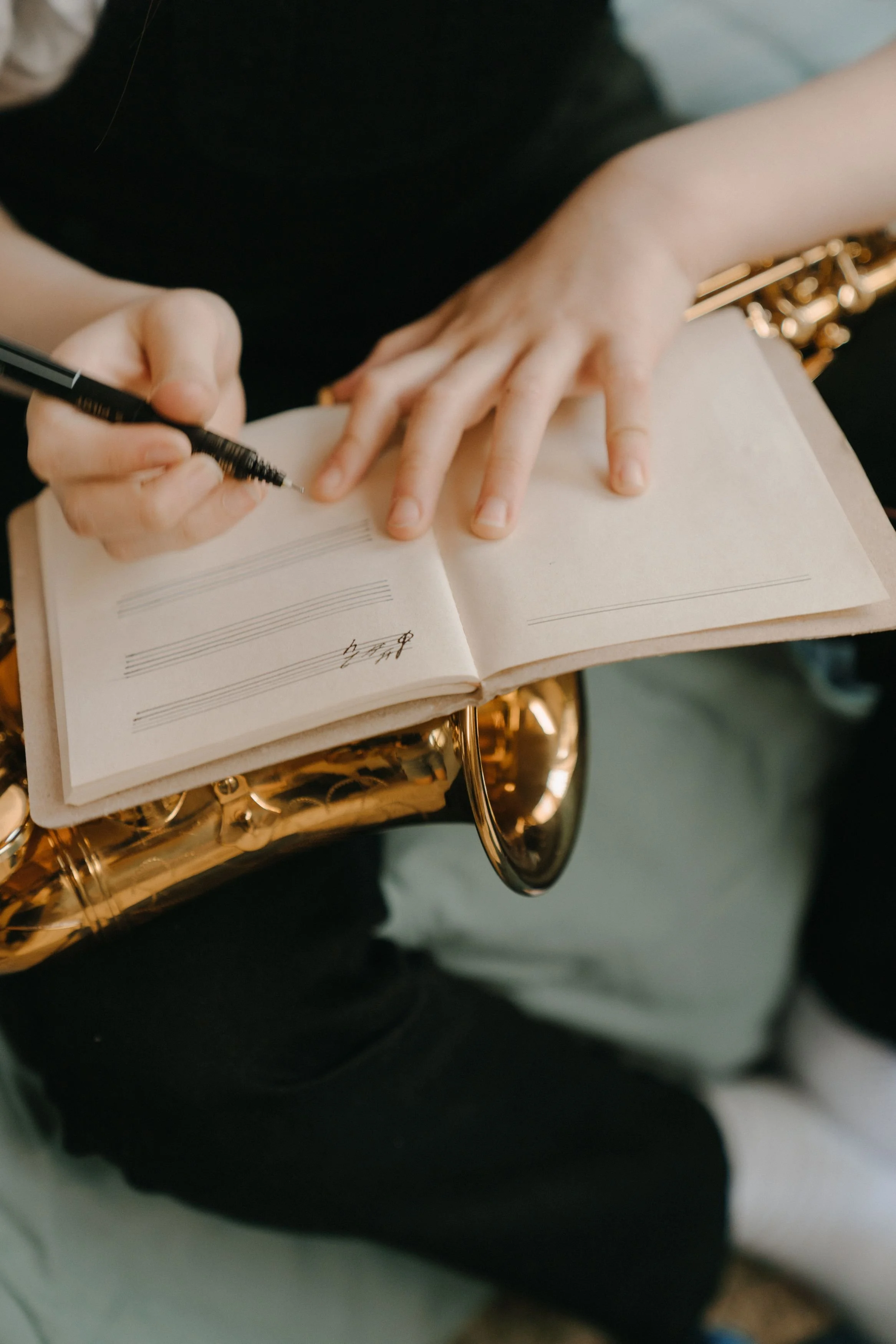
So many of the therapists I work with are creatives, too. Former dancers, singers, actors, musicians, writers. People who once poured themselves into a stage, a canvas, or an instrument… and then found their way into this work because of how those dreams, and the struggles they may have endured, scared them.
I'm one of them. My story as a musician is integrally tied to my motivations to become a healer- a classical flutist familiar with the pressure to be perfect, the burnout, and the long road back to playing from my heart instead of my head.
Maybe you still carry some of that training in you too. The perfectionism. The inner critic. The sense that you're only as good as your last performance. Maybe now it just sounds like a different question: Was that session good enough? Am I good enough?
Your creative self is welcome here. And reconnecting with it is part of the journey home to yourself.
What begins to shift
Every person is different. But over time, many therapists start to notice:
Feeling more like a person, and less like a role
Quieter imposter syndrome, and more trust in their own knowing
More space between their own story and their clients'
Leaving sessions with less to carry home
Creativity, play, and joy finding their way back in
A renewed sense of why they chose this work in the first place

LCPC (Licensed Clinical Professional Counselor), LCMHC, & Nationally Board-Certified Music Therapist | she/her
Hi there.
I’m Alison Dagger, a therapist for creatives, performers, and healers in Maryland and Vermont.
I believe that recovery from complex trauma, chronic anxiety, and imposter syndrome is possible - and that you are not defined by what happened to you, but by who you are.
I know this path from the inside. As a classical flutist, I spent years chasing perfection and measuring my worth by how I performed… until I burned out completely. Music, and learning to listen to my body, is what brought me back home to myself.
I want to help you make peace with experiences of the past, reconnect with creativity, and feel more grounded, authentic, and fully yourself.
All identities are welcome here, including LGBTQ+ and BIPOC creatives.
If you seek a calming, genuine, and kind presence to guide you on your healing journey, you’ve come to the right place. Welcome.
EDUCATION & CREDENTIALS
What makes me qualified to support you?
MA, Lesley University, Boston, Clinical Mental Health Counseling & Music Therapy
BA, Goucher College, Baltimore, Music Performance (Flute)
7+ years of experience as a trauma-responsive, music-centered, somatic therapist
Licensures
Trained in creative & embodied approaches to trauma recovery, including Brainspotting (Phase 1) and Trauma-Focused Cognitive Behavioral Therapy (TF-CBT)
Therapy for Therapists: FAQs
-
Yes and no. You'll get the same care, attunement, and confidentiality as everyone I work with. But I'll meet you as a colleague. No talking down, no explaining what you already know, and no need to hide your clinical insight. We'll work together, as equals, while I make space for the parts of you that need care.
-
No. This is your space as a person, not as a clinician. If something from your work comes up, we'll explore how it's living in you, not how to handle the case.
-
Our professional community is smaller than we like to think. Overlap comes with the territory- shared colleagues, trainings, referral networks… especially in small areas like where I’m based in Vermont.
Should we have any overlaps, lets talk about it. We’ll name it and handle it together. Your confidentiality will always be protected.
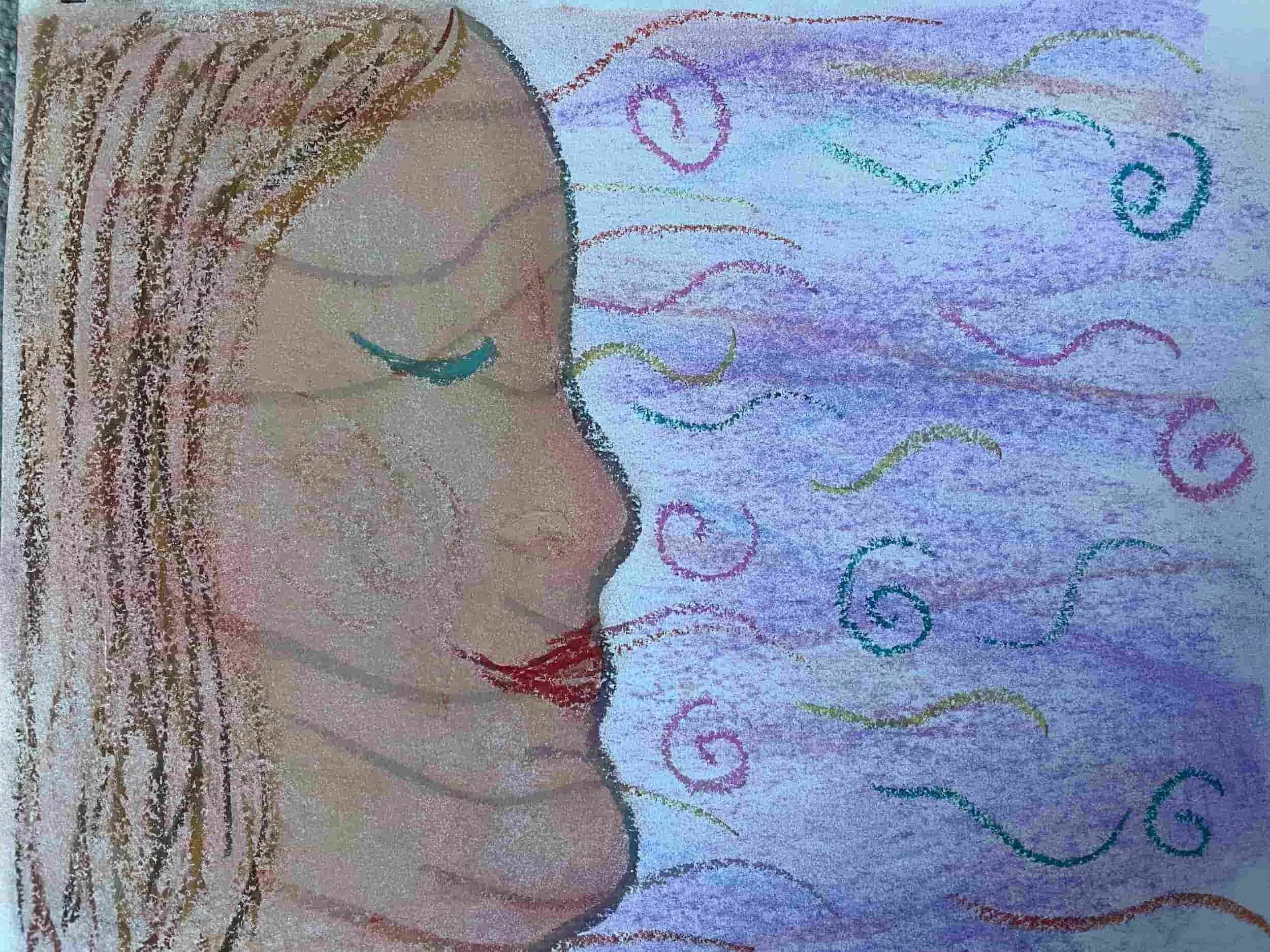
We’re in this work together. I get it, because I live this work too. You deserve a space where you don’t have to have it all figured out. Come as you are.
Ready to come home to yourself?
1) Click here to view my availability & book your first session. A brief screener will help me begin getting to know you.
2) Once I approve your request, I’ll reach out via email to introduce myself and see if you have any questions. You will receive paperwork, to be completed at least 24 hours before the session.
If needed, I am happy to hop on a brief call to answer any questions.
3) We’ll meet for your first session. I’ll introduce myself, explain my approach, and ask you questions. We will build a care plan that reflects your top priorities.
Moving forward, both of us will commit to a consistent schedule with intention and purpose.