


Somatic Therapy for Trauma: Come home to your body
In-person in Waterbury, Vermont and Online across Maryland & Vermont

“I know why I feel this way… so why do I still feel it?”
Maybe you’ve said it in a therapist’s office. Maybe only to yourself.
I’m stuck in my head. Talk therapy stopped working. I can’t relax, even when nothing is wrong.
You've done the work. You can trace your patterns back to where they started, name them, explain them with real insight. And still… your shoulders creep toward your ears in certain rooms. Your breath goes shallow before you speak up. Rest feels impossible, or strangely unsafe.
That's not a failure of effort. It's a sign that what you're carrying doesn't only live in your thoughts. It lives in your body… and your body needs to be part of the healing, too.

What is somatic therapy?
Somatic therapy is a body-centered approach to healing that helps you notice, understand, and gently release what your nervous system has been holding, instead of relying on talking alone.
"Soma" means body. In somatic therapy, your body isn't just along for the ride. It's a source of wisdom. Sensations, impulses, tension, and stillness all carry information about what you've lived through and what you need now.
Rather than working only from the top down (thinking your way to feeling better), somatic therapy also works from the bottom up: helping your body feel safe enough that your mind can follow.
Talking about it vs. feeling your way through it:
In talk therapy, you might…
Explain what happened and why
Analyze patterns and beliefs
Learn coping strategies to manage hard feelings
Leave with new insight about yourself
In somatic therapy, we…
Notice what’s happening in your body right now
Slow down enough to feel, at a pace that feels safe
Let your body complete what it couldn’t back then
Build a felt sense of safety, not just an understanding of it
Insight matters. But insight alone rarely tells your nervous system it’s safe to stand down. That’s where the body comes in.
How I work somatically
Every session is shaped around you, but these are the practices we'll return to most:
Grounding Feeling your feet on the floor. Your weight in the chair. Your breath moving in and out. Grounding helps your nervous system find its footing in the present moment, so you can explore what's hard without being swept away by it.
Tracking sensations Together, we'll get curious about what's happening inside. A tightness in your throat. Warmth in your chest. A flutter in your stomach. Instead of pushing these away or analyzing them, we notice them… and let them tell us what they need.
Movement Sometimes the body wants to do something words can't: push, reach, curl in, stretch, sway. Gentle, intuitive movement can help release energy that's been stuck, and help you feel more alive and at home in yourself. No dance experience required. Small movements count.
Parts work & inner child work Maybe there's a part of you that pushes hard to be perfect… and another that just wants to rest. A younger part that still feels unseen. In parts work, we get to know these parts with compassion instead of judgment. We listen for what each one has been protecting, and we offer your younger self the care, safety, and attunement they didn't get the first time around.
Music & Imagery As a music therapist, I often bring music into our somatic work: as a co-regulator, a mirror, or a doorway to imagery and memory. Learn more about somatic music therapy →

Somatic therapy may be a fit for you if:
You understand your patterns, but still feel them in your body
You live mostly in your head and want to reconnect body and mind
Anxiety, tension, or exhaustion show up even when life looks "fine"
You freeze, shut down, or people-please without meaning to
Rest, pleasure, or play feel hard to access
You're a creative, performer, or healer who gives a lot and feels depleted
Painful relationships, family dynamics, or experiences of sexual harm still shape how safe you feel in your body
You don't need to call any of it trauma. If something is living in your body and getting in your way, that's enough.
I also offer specialized support for performing artists and survivors of sexual trauma.
What may begin to shift
Healing doesn’t follow a straight line, and every body has its own rhythm. But over time, many people begin to notice:
More ease in their body, and moments of real rest
Space between a trigger and a reaction
Less time spent in their head, more time feeling present
Greater trust in their own sensations, needs, and intuition
A kinder, more compassionate relationship with themselves
Creativity, play, and joy finding their way back in

Somatic therapy FAQs
-
Yes. Somatic therapy adapts well to video sessions. Many people find it easier to tune into their body in the comfort of their own space. I offer sessions online across Maryland and Vermont, and in person at my office in Waterbury, Vermont.
-
No. Somatic therapy doesn't require you to retell your story. We can work with what your body is holding without every detail being spoken out loud.
-
That's more common than you might think, and it's welcome here. Feeling numb or disconnected is often a way your body learned to protect you. We'll start small and gently, and build your capacity to listen in at a pace that feels safe.
-
Somatic Experiencing is one specific, trademarked method of somatic therapy. I integrate body-based approaches I learned through my clinical mental health counseling and music therapy training, including grounding, tracking sensations, movement, and parts work, alongside Brainspotting and music-centered methods.
-
Body-based approaches to trauma are a growing area of research, and they're increasingly recognized as an important complement to talk therapy. I use them as part of a broader, trauma-responsive approach shaped around each person.

LCPC (Licensed Clinical Professional Counselor), LCMHC, & Nationally Board-Certified Music Therapist | she/her
Hi there.
I’m Alison Dagger, a therapist for creatives, performers, and healers in Maryland and Vermont.
I believe that recovery from complex trauma, chronic anxiety, and imposter syndrome is possible - and that you are not defined by what happened to you, but by who you are.
I know this path from the inside. As a classical flutist, I spent years chasing perfection and measuring my worth by how I performed… until I burned out completely. Music, and learning to listen to my body, is what brought me back home to myself.
I want to help you make peace with experiences of the past, reconnect with creativity, and feel more grounded, authentic, and fully yourself.
All identities are welcome here, including LGBTQ+ and BIPOC creatives.
If you seek a calming, genuine, and kind presence to guide you on your healing journey, you’ve come to the right place. Welcome.
My clients are:
Artists | Musicians | Poets
Writers | Dancers | Singers
Therapists | Psychologists | Nurses
Theatre Performers | Actors
Creative Humans of ALL WALKS OF LIFE
Learn more about my work with performing artists and with survivors of sexual trauma.
EDUCATION & CREDENTIALS
What makes me qualified to support you?
MA, Lesley University, Boston, Clinical Mental Health Counseling & Music Therapy
BA, Goucher College, Baltimore, Music Performance (Flute)
7+ years of experience as a trauma-responsive, music-centered, somatic therapist
Licensures
Educated in somatic, creative, & embodied approaches to trauma recovery through my clinical mental health counseling and music therapy training, including Brainspotting (Phase 1) and Trauma-Focused Cognitive Behavioral Therapy (TF-CBT)
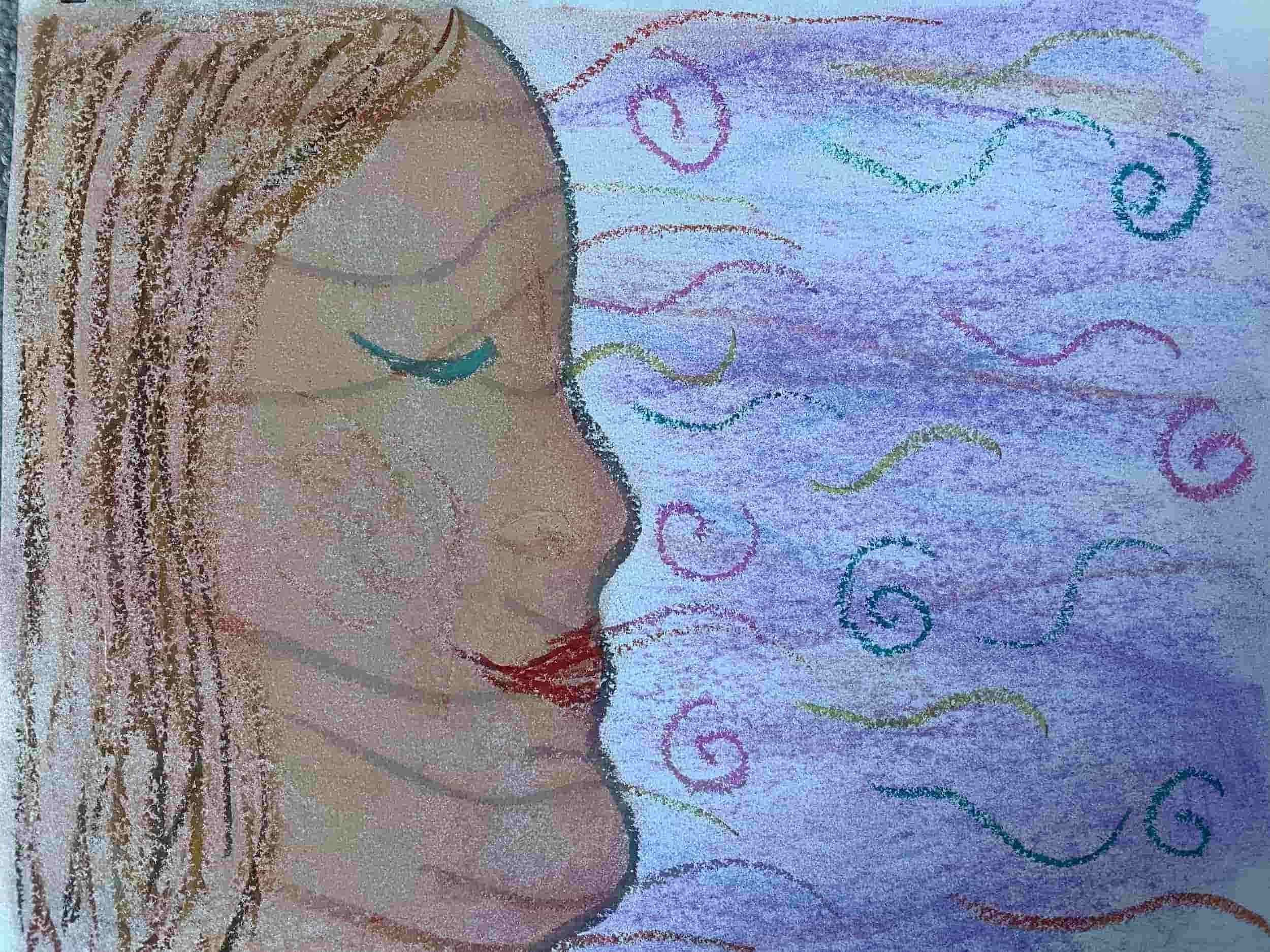
Your body has been holding so much, for so long. It's not too late to come home to it. If somatic therapy feels like the right next step, I'd be honored to partner with you.
Ready to come home to yourself?
1) Click here to view my availability & book your first session. A brief screener will help me begin getting to know you.
2) Once I approve your request, I’ll reach out via email to introduce myself and see if you have any questions. You will receive paperwork, to be completed at least 24 hours before the session.
If needed, I am happy to hop on a brief call to answer any questions.
3) We’ll meet for your first session. I’ll introduce myself, explain my approach, and ask you questions. We will build a care plan that reflects your top priorities.
Moving forward, both of us will commit to a consistent schedule with intention and purpose.