


Brainspotting Therapy: Heal what words can’t reach
In-person in Waterbury, Vermont and Online across Maryland & Vermont


You understand your story. You can explain it, analyze it, even tell it with a steady voice. So why does your body still react like it's happening right now?
Maybe it's the tightness in your chest before a performance. The way you freeze in conflict. The flood of shame that comes out of nowhere… then lingers for days.
You've done the work. You've talked it through, maybe for years. But some experiences don't live in the part of the brain that talks. They live deeper, in the body and the nervous system, and they need a different way in.
That’s where Brainspotting comes in.

Brainspotting is a brain-body therapy that uses your field of vision to help you access and process experiences held deep in the brain and nervous system.
Developed by Dr. David Grand in 2003, it grew out of EMDR. The idea is beautifully simple: where you look affects how you feel. When your eyes rest on a certain spot, a "brainspot," it can connect to an emotion, memory, or sensation your body has been holding onto.
Together, we find that spot. Then you stay with it, noticing what arises, while your system does what it knows how to do: process, release, and settle.
No reliving every detail. No searching for the perfect words. Just you, your body, and a steady presence beside you.
What is Brainspotting?
Clients come to me for Brainspotting when:
Talk therapy has helped them understand… but not feel different
Old experiences still hijack their body, even though they know they're safe now
They feel stuck, numb, or frozen, and can't explain why
Anxiety, panic, or performance nerves take over in moments that matter
They've experienced complex relational trauma or sexual trauma
They're healers or helpers who hold space for others all day, and need somewhere to put it all down
They want to go deeper, without having to talk about everything in detail

Where Brainspotting works well alongside somatic and music-assisted therapy
Brainspotting is one of several approaches I weave together, including somatic therapy, Resource-Oriented Guided Imagery & Music, and parts work. We'll choose what fits you, and what your body is ready for, session by session.
Curious about the music side of this work? Learn about somatic music therapy →

What a Brainspotting Session feels like.
We start by slowing down. Breathing. Tuning in to what you'd like to work on, and noticing where you feel it in your body.
Then, using a pointer or simply where your eyes naturally land, we find the spot in your visual field where that feeling is strongest… or, sometimes, where you feel most calm and grounded.
You hold your gaze there and notice. Thoughts, images, sensations, memories, emotions… whatever comes is welcome. I'm there with you the whole time, attuned and curious, following your lead.
Some sessions feel quiet and subtle. Others bring a wave of release. Either way, your nervous system is doing important work, often in ways you'll notice in the days that follow.
What may begin to shift
Every person’s path is different, and healing doesn’t follow a timeline. But through Brainspotting, many people begin to notice:
Old triggers losing some of their charge
More space between a feeling and a reaction
A body that feels calmer, steadier, and more like home
Less shame and self-criticism
Greater trust in their own inner knowing
Room for creativity, play, and joy to return

Brainspotting FAQs
-
Yes. Brainspotting adapts well to video sessions. We'll make sure your screen and seating are set up so you can comfortably hold your gaze, and you'll have the added comfort of being in your own space.
-
No. One of the things many people appreciate about Brainspotting is that you don't have to narrate what happened. Your body can process without every detail being spoken out loud.
-
Brainspotting grew out of EMDR, but instead of moving your eyes back and forth through a structured protocol, it holds your gaze on a single point and follows your body's own process with less structure. Many people find it feels more spacious and less scripted.
-
Research on Brainspotting is still growing, with early studies showing promising results for trauma and anxiety. I use it as one part of a broader, trauma-responsive approach.
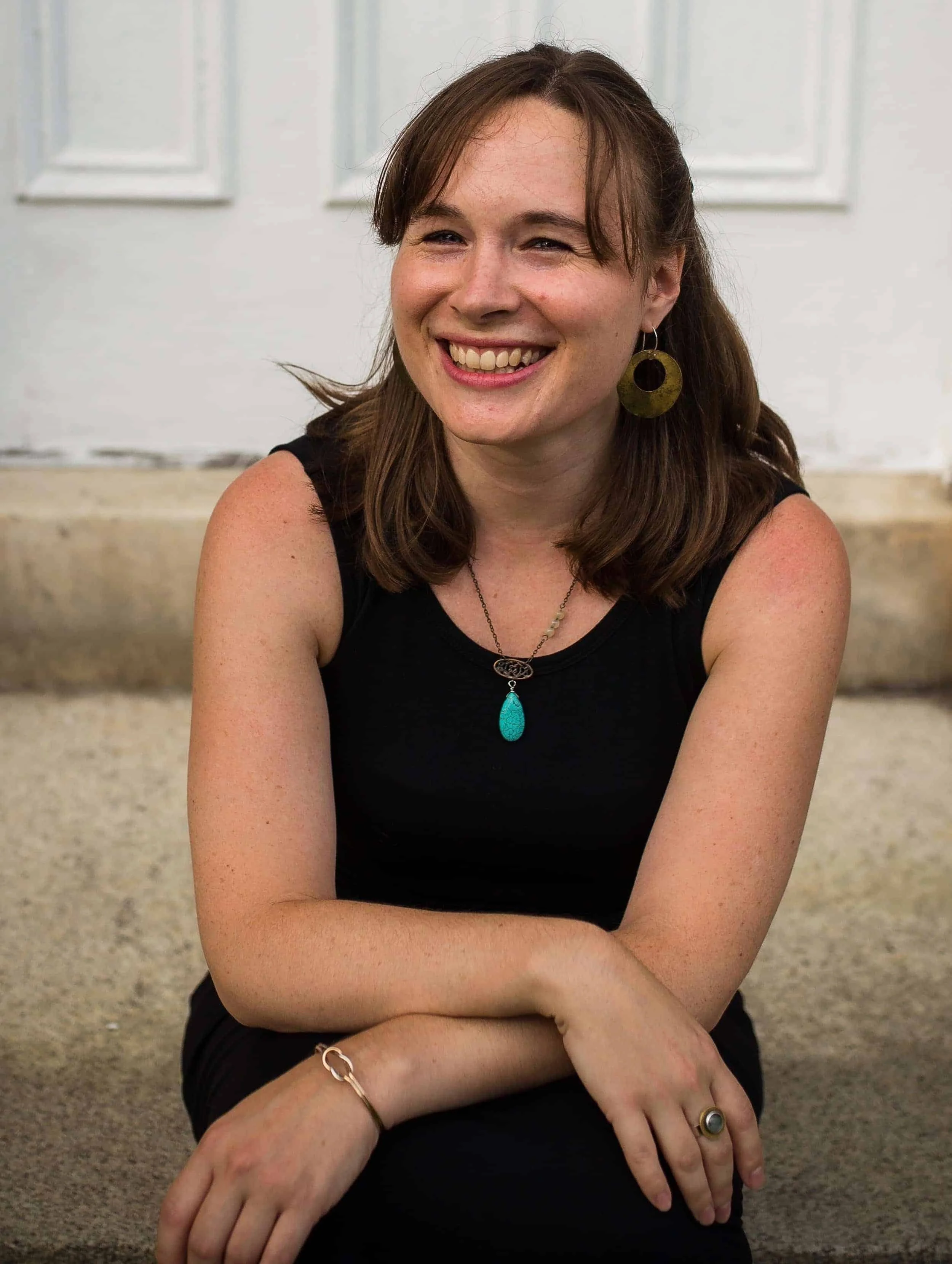
LCPC (Licensed Clinical Professional Counselor), LCMHC, & Nationally Board-Certified Music Therapist | she/her
Hi there.
I’m Alison Dagger, a somatic therapist for creatives, performers, and healers in Maryland and Vermont.
I believe that recovery from complex trauma, chronic anxiety, and imposter syndrome is possible - and that you are not defined by what happened to you, but by who you are.
I want to help you make peace with experiences of the past, reconnect with creativity, and feel more grounded, authentic, and fully yourself.
If you seek a calming, genuine, and kind presence to guide you on your healing journey, you’ve come to the right place. Welcome.
My clients are:
Artists | Musicians | Poets
Writers | Dancers | Singers
Therapists | Psychologists | Nurses
Theatre Performers | Actors
Creative Humans of all Walks of Life
EDUCATION & CREDENTIALS
What makes me qualified to support you?
MA, Lesley University, Boston, Clinical Mental Health Counseling & Music Therapy
BA, Goucher College, Baltimore, Music Performance (Flute)
7+ years of experience as a trauma-responsive, music-centered, somatic therapist
Licensures
Trained in creative & embodied approaches to trauma recovery, including Brainspotting (Phase 1) and Trauma-Focused Cognitive Behavioral Therapy (TF-CBT)
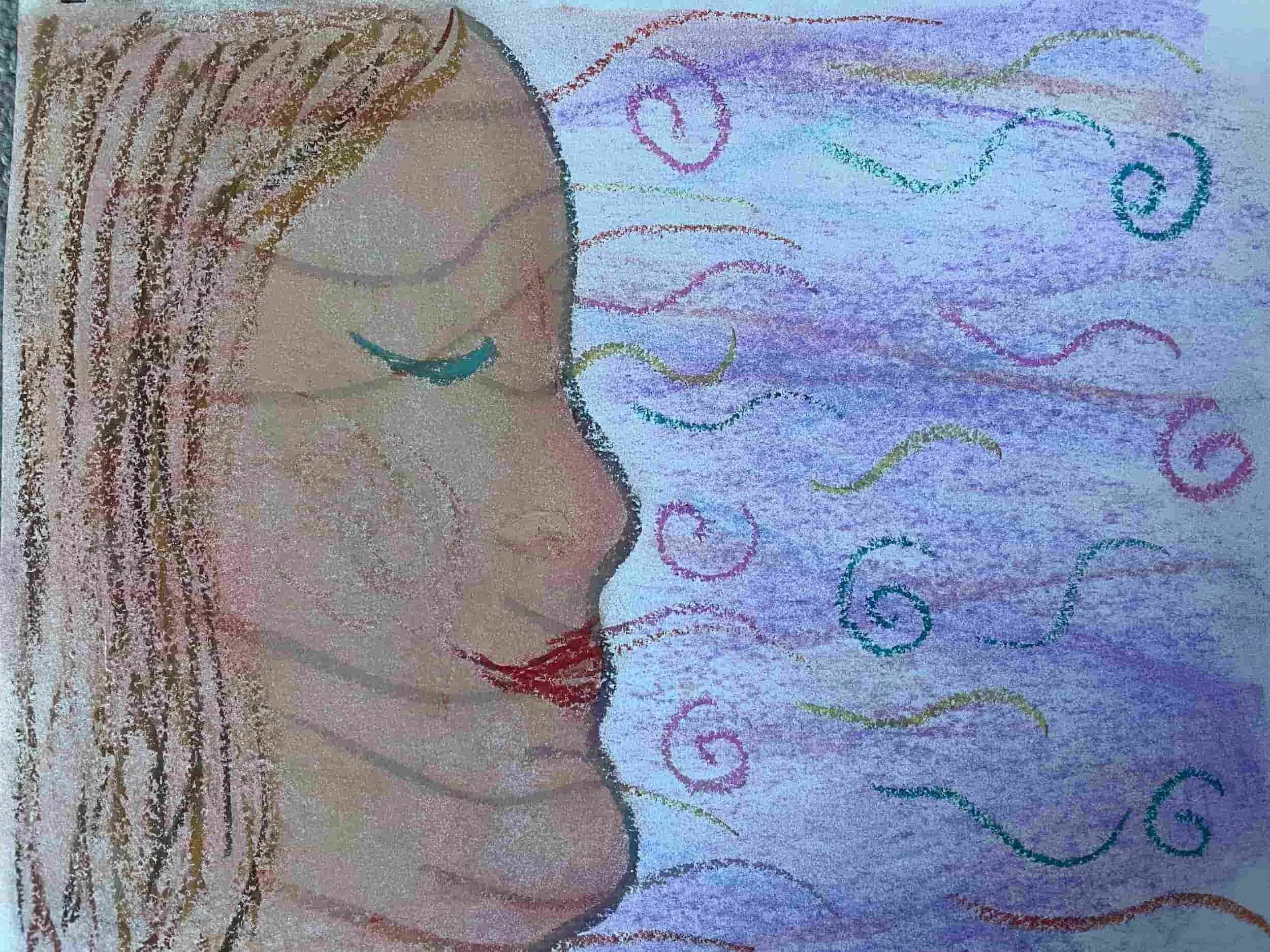
Your body has been carrying this for a long time. You don’t have to keep carrying it alone. If Brainspotting feels like the right step, I’d be honored to partner with you.
Ready to begin your healing journey?
1) Click here to view my availability & book your first session. A brief screener will help me begin getting to know you.
2) Once I approve your request, I’ll reach out via email to introduce myself and see if you have any questions. You will receive paperwork, to be completed at least 24 hours before the session.
If needed, I am happy to hop on a brief call to answer any questions.
3) We’ll meet for your first session. I’ll introduce myself, explain my approach, and ask you questions. We will build a care plan that reflects your top priorities.
Moving forward, both of us will commit to a consistent schedule with intention and purpose.